Blog
Accessible Parking Lots Common Mistakes and How to Fix Them
08.30.2024


Are you struggling with ADA-compliant parking? Discover the top 5 mistakes businesses make when designing accessible parking spaces and learn how to fix them. From insufficient spaces to obstructed paths, this guide provides practical solutions to ensure your parking lot is truly accessible. Don't risk non-compliance or alienate potential customers - read on to create a welcoming environment for all and avoid costly legal issues.
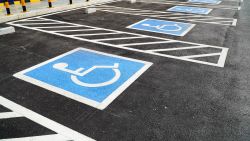
One of the most frequent oversights is not providing enough accessible parking spaces. The ADA specifies a minimum number of accessible spots based on available parking spaces.
Solution: Conduct a thorough review of your parking lot and ensure you meet the required ratio. For example, lots with 1-25 spaces need at least one accessible spot, while those with 26-50 spaces require two.
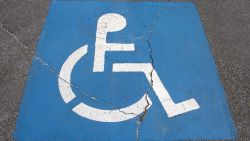
Inadequate or missing signage can lead to confusion and misuse of accessible spaces.
Solution: Install clear, visible signs displaying the International Symbol of Accessibility at each accessible space. Ensure signs are mounted at least 60 inches above the ground. Use contrasting colors for ground markings to designate accessible spaces and access aisles clearly.
Accessible spaces that are too narrow or lack proper access aisles make it difficult for individuals to enter and exit vehicles safely.
Solution: Ensure accessible spaces are at least 96 inches wide, with adjacent access aisles of at least 60 inches. For van-accessible spaces, provide a 96-inch-wide access aisle. Maintain a clear path from these spaces to the nearest accessible entrance.
Excessive slopes or uneven surfaces in accessible parking areas can pose significant challenges for wheelchair users and individuals with mobility impairments.
Solution: Maintain a maximum slope of 1:48 (2.08%) in all directions for accessible parking spaces and access aisles. Regularly inspect and repair any cracks, potholes, or uneven areas to ensure a smooth, stable surface.
Placing accessible spaces far from entrances or allowing obstacles to block the path defeats the purpose of accessible parking.
Solution: Locate parking spaces as close as possible to accessible building entrances. Ensure a clear, obstacle-free path from these spaces to the entrance, free of steps, curbs, or other barriers. If necessary, install curb ramps with appropriate slopes and textures.
By addressing these common mistakes, businesses can create truly accessible parking lots that welcome all customers and comply with ADA regulations. Regular audits and maintenance of your parking facilities will ensure continued accessibility and demonstrate your commitment to inclusivity.